Introduction
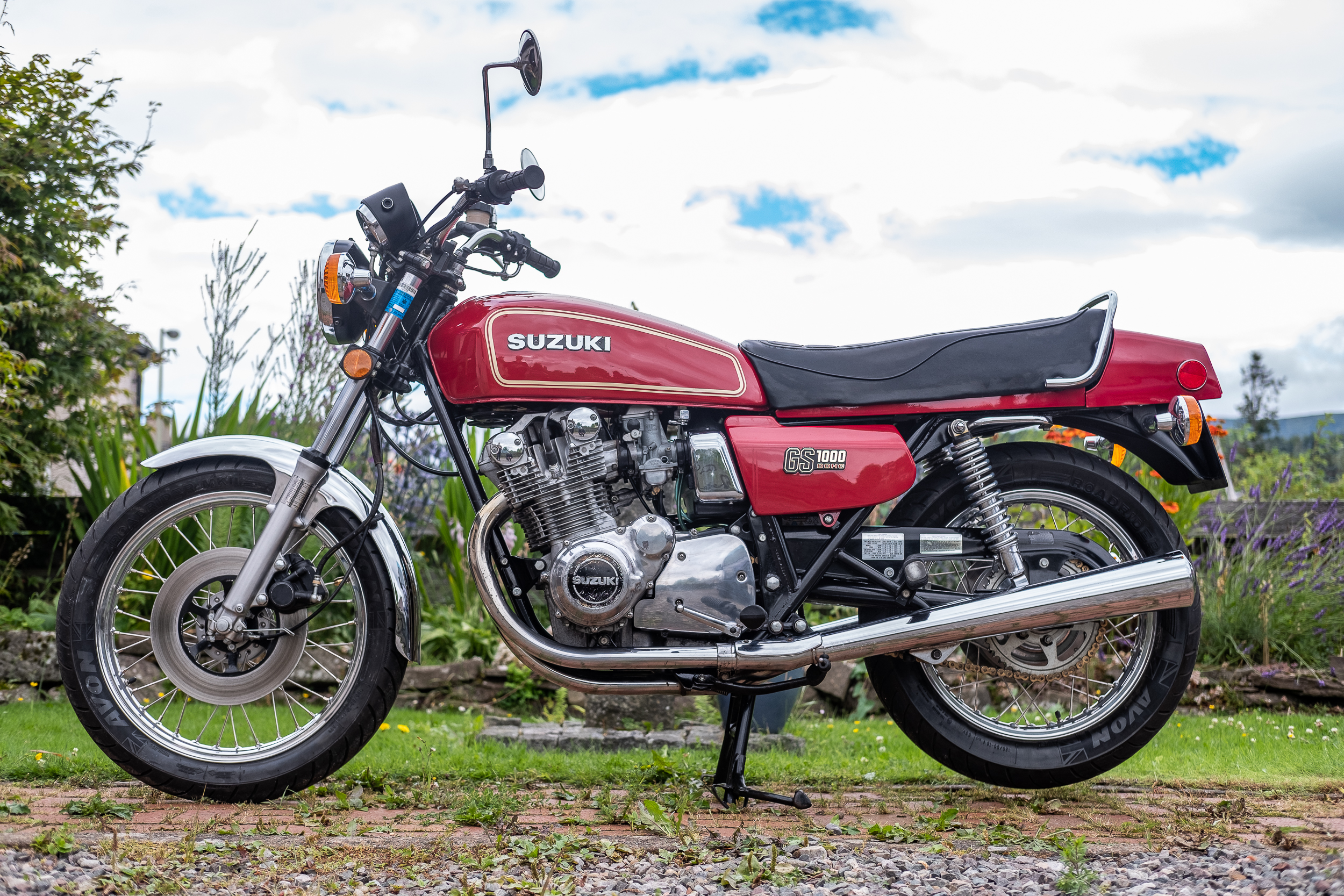
In the world of motorcycles, certain models stand out as true legends that have left an indelible mark on the industry. The Suzuki GS 1000 is undoubtedly one of those iconic bikes, thanks to its powerful engine, which came at a time the industry was starting to seriously look into ‘liter’ bikes. With a history that spans over four decades, the Suzuki GS 1000 has earned its place in the pantheon of two-wheeled classics. Join us on a journey back, as we explore the history of the Suzuki GS 1000.

The Birth of a Legend: 1977
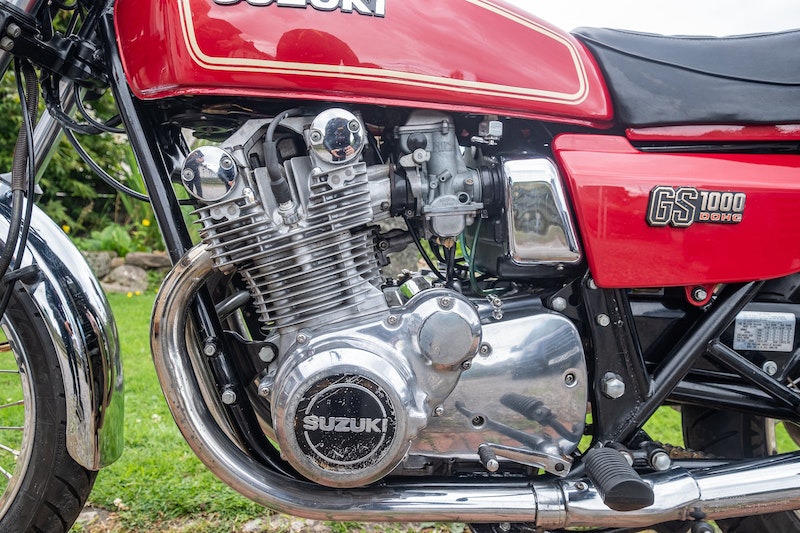
The Suzuki GS 1000 was first introduced to the world in 1977, and it immediately made waves in the motorcycle community, despite a lack of journalist enthusiasm, in part due to the short-comings of the handling/chassis of previous UJM motorcycles. Following after Suzuki’s failed attempts at utilizing a rotary engine, the GS 1000s four-cylinder, four-stroke engine boasted 90 horsepower and was chosen for its remarkable power… For its era! The bike was a clear demonstration of Suzuki’s engineering prowess and commitment to innovation, as they understood the engine size meant more stress on the frame.
Innovations and Technology
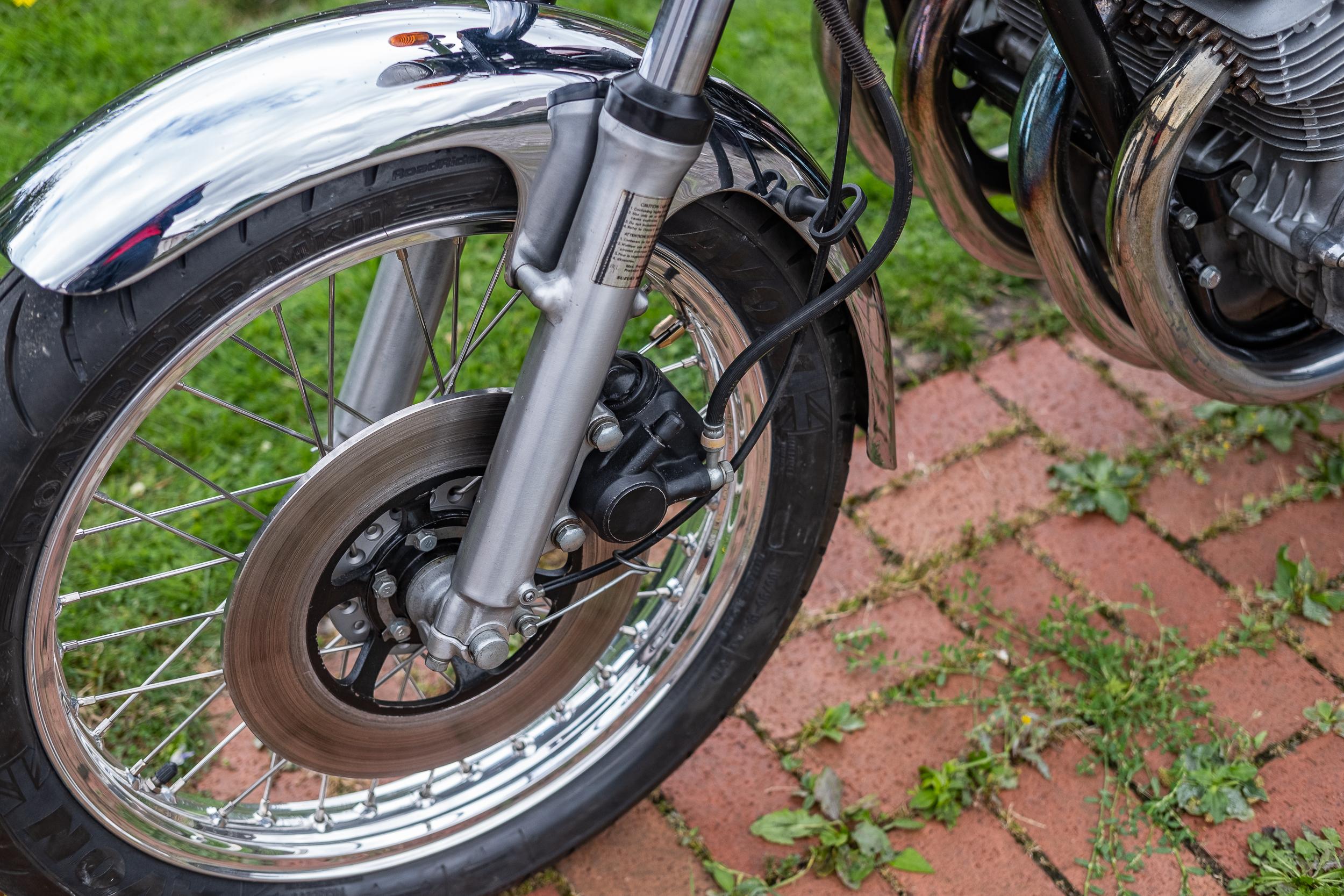
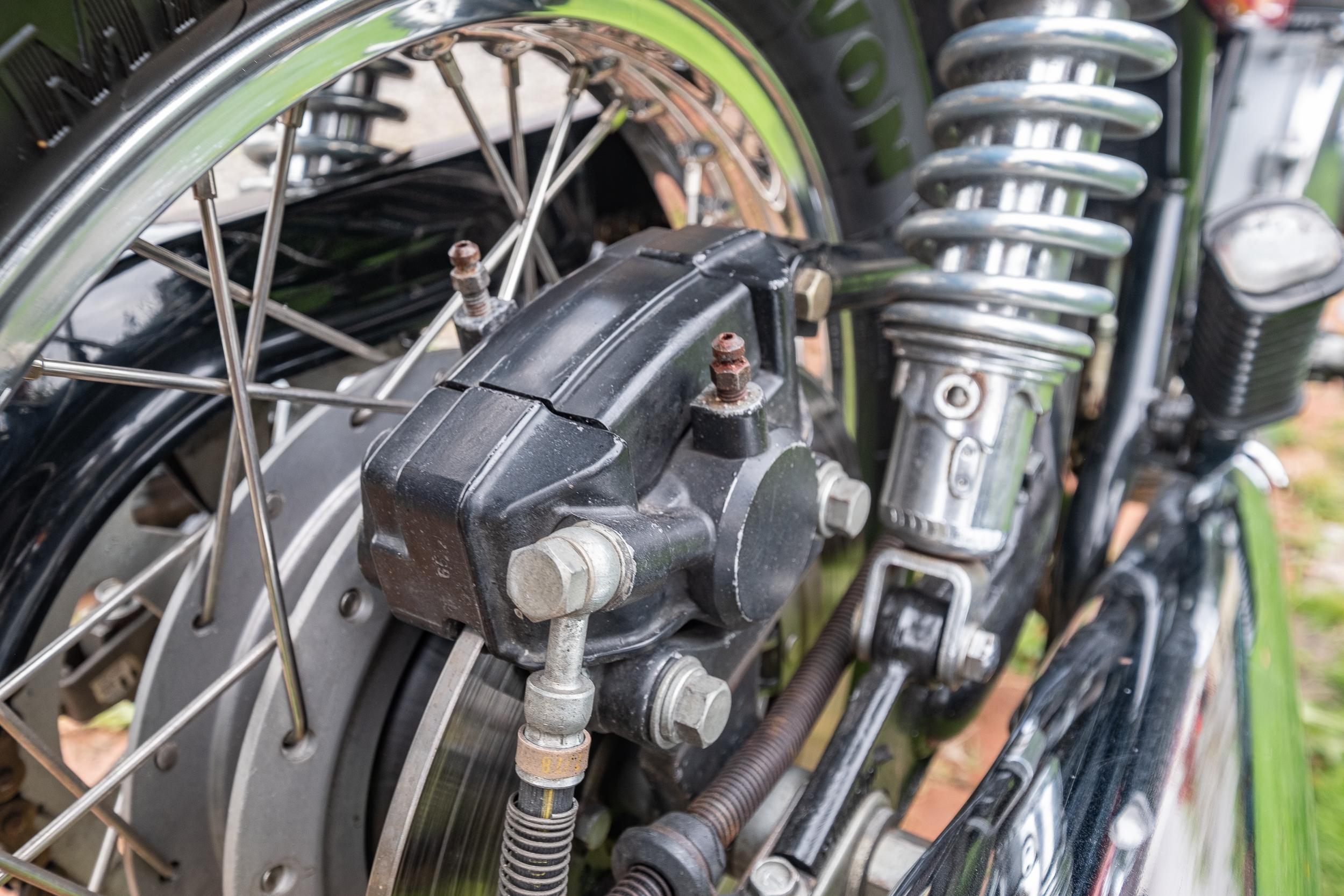
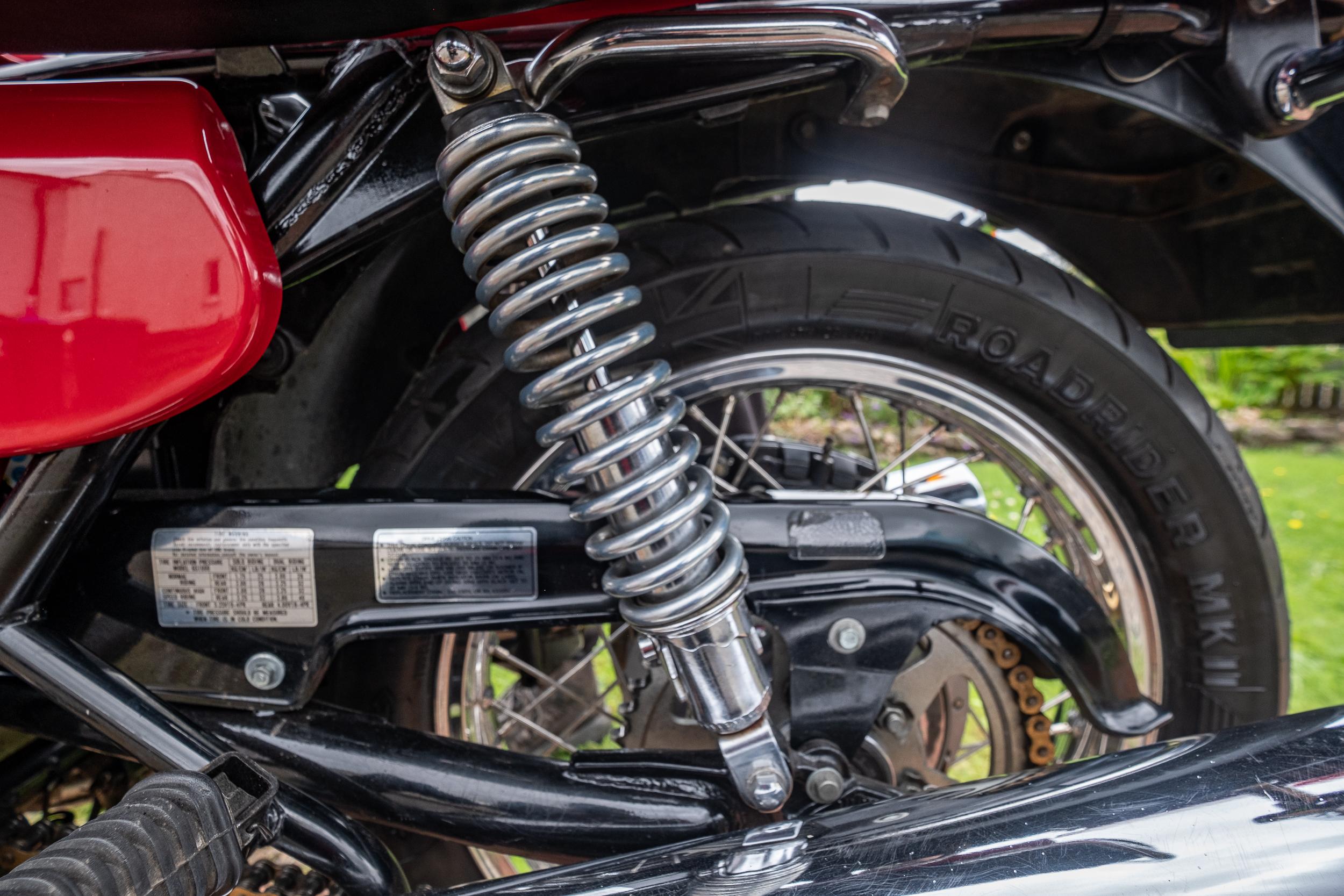
One of the standout features of the GS 1000 was its use of double overhead camshafts (DOHC), a technology that was considered cutting-edge at the time. This allowed for precise valve timing and significantly improved engine performance. The bike also featured a very robust & light frame, front and rear disc brakes, and a well-tuned suspension system, making it a top performer both on the road and the racetrack.
Racing Success
The Suzuki GS 1000 wasn’t just a powerful street bike; it also had an impressive racing career. In the late 1970s and early 1980s, the GS 1000 dominated the AMA Superbike Championship in the United States. Riders like Wes Cooley piloted the GS 1000 to numerous victories, solidifying its reputation as a race-worthy machine.

Evolution of the GS 1000
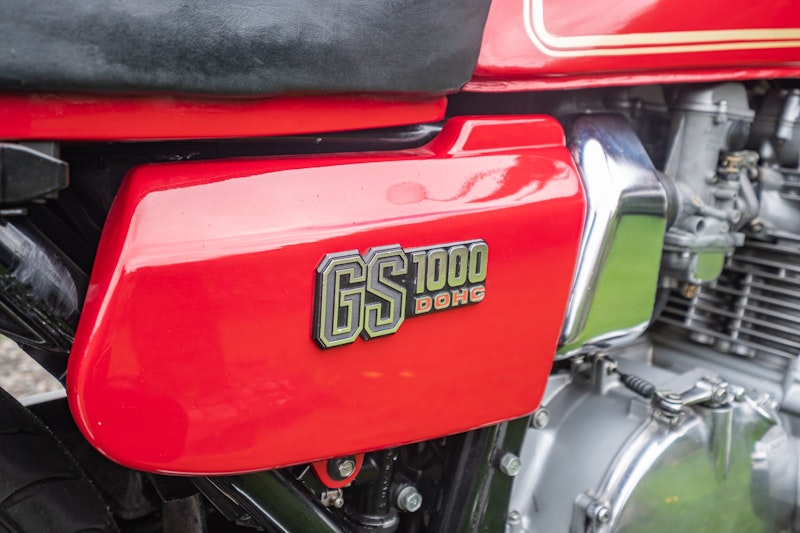
Over the years, Suzuki continued to refine and improve the GS 1000. In 1979, the company introduced the GS 1000S, which featured a bikini fairing, a sportier look, and improved aerodynamics. In 1980, the GS 1000G came onto the scene, offering a more touring-oriented design with a full fairing and saddlebags. These variations allowed riders to choose a GS 1000 model that suited their specific riding preferences.
The Legacy Lives On
While the original GS 1000 was eventually phased out, its legacy continued through the GSX series. The GSX series incorporated the technological advancements and design principles of the GS 1000 while pushing the envelope even further. Models like the GSX-R series further cemented Suzuki’s reputation as a leader in the sportbike industry.
Conclusion
The Suzuki GS 1000 is more than just a motorcycle; it’s a testament to the ingenuity and innovation of the engineers and designers at Suzuki. It set new standards for performance and technology in its time, making the other three manufacturers of ‘the big four’ pay close attention to the importance of handling. This left an enduring mark on the world of motorcycles, and paved the way for the Japanese sport bikes we know & love today!
Whether you’re a vintage bike enthusiast, a fan of racing history, or simply someone who appreciates a classic machine, the Suzuki GS 1000 is a name that will always be known… And worthy of being protected! Whilst it was an innovative machine, security was still very rudimentary… So, check out our home fit motorcycle security system and get your classic motorcycle registered on our database.
Datatag is a theft deterrent and aids in the recovery of your machine. We recommend use with a lock and/or chain as well as a tracker from a reputable company (Such as BikeTrac). Then, ensure your details are up to date (If you’re not sure, CHECK HERE) on our database and you can rest easy knowing your motorcycle is secured.
 Datatag ID Limited